18 Months After Taking the Plunge
How It All Began
I started my wedding photography journey over 15 years ago with Nikon cameras and lenses, never imagining that one day I’d make the switch to another system.
In recent years, I also began exploring wedding videography—first inspired by incredible films and music videos shot with stills cameras, and later because friends invited me to assist as a second shooter.
Gradually, I found myself involved in more videography projects, needing a versatile camera capable of handling a wide range of situations. On top of that, carrying heavy Nikon bodies and lenses for long wedding days was draining my energy and even affecting my back.
For the Love of Nikon: Why I Stayed So Long
When it comes to photography, three things kept me loyal to Nikon for years:
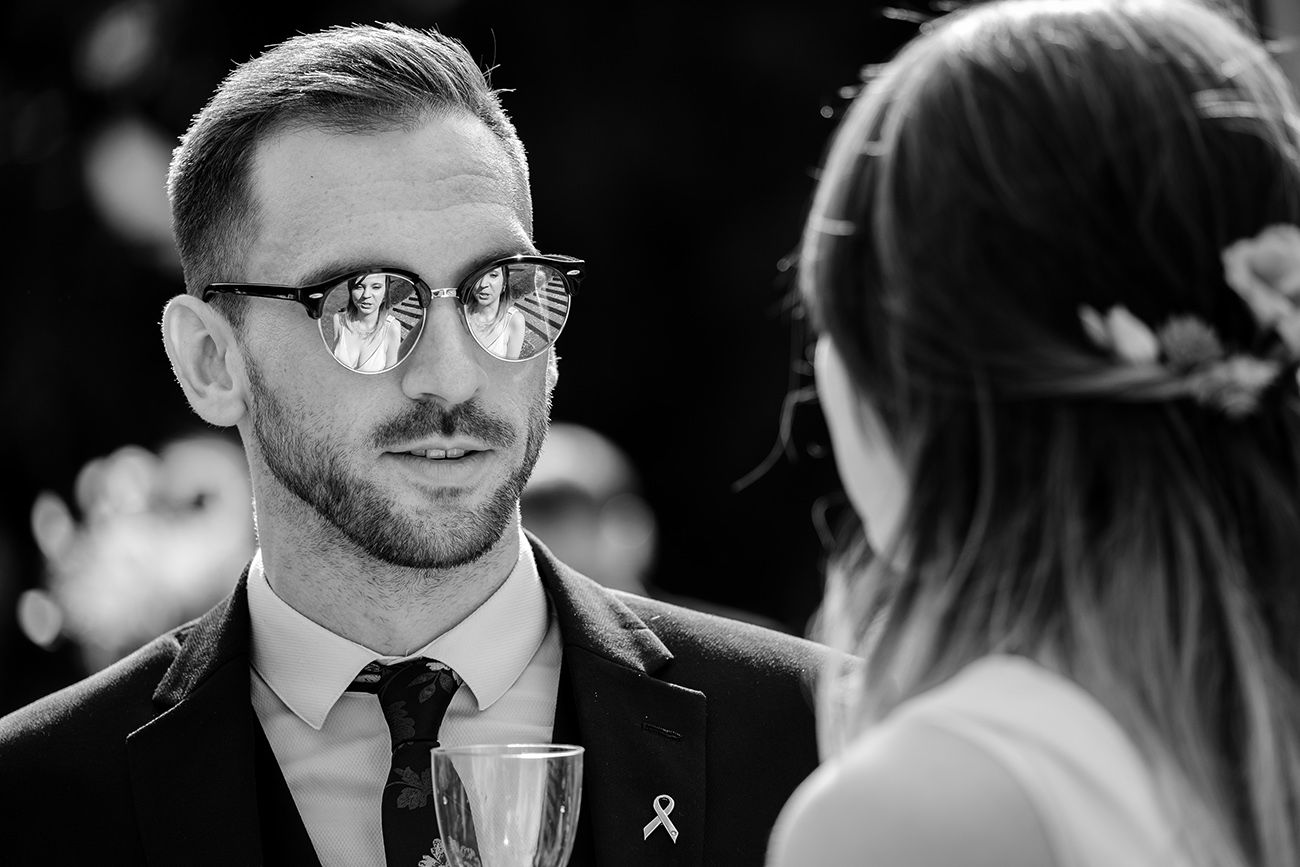
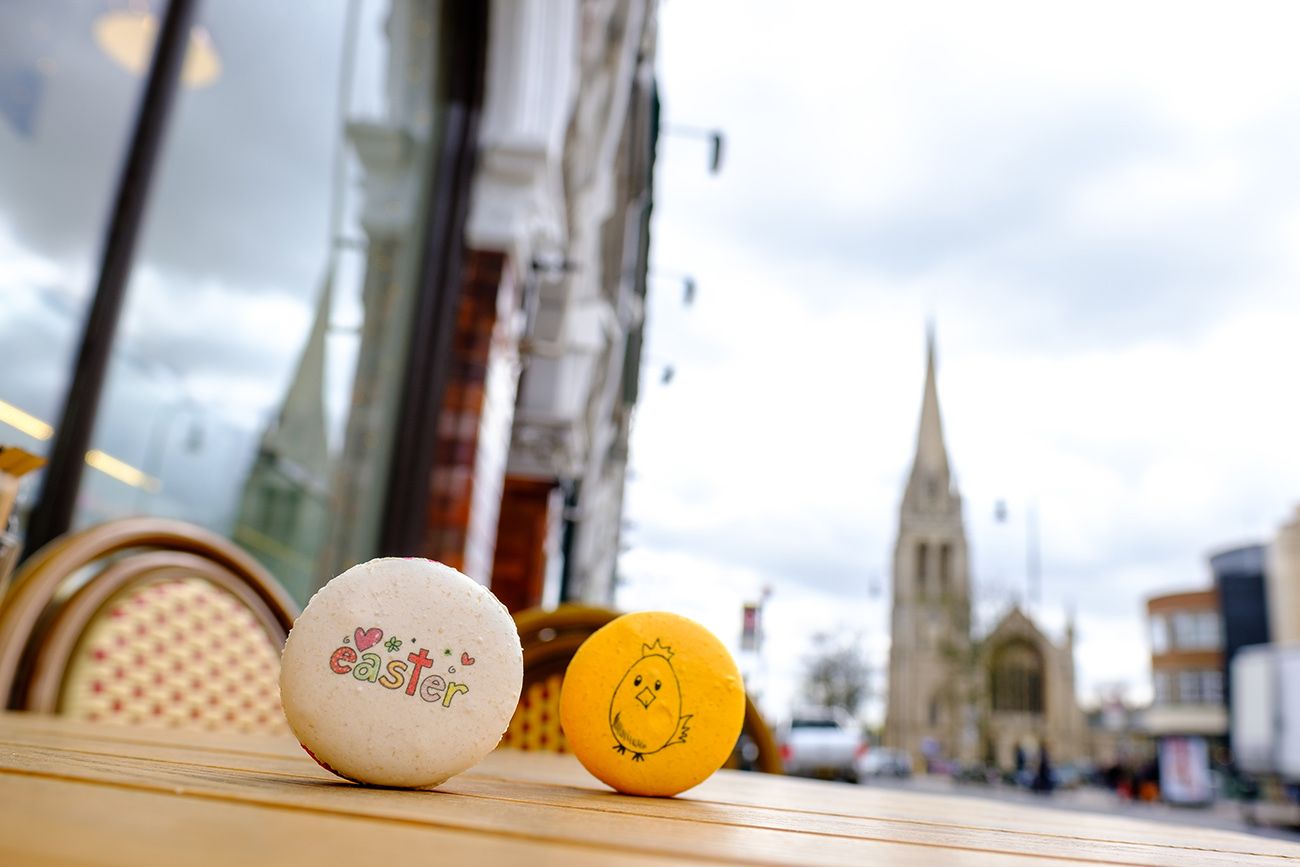
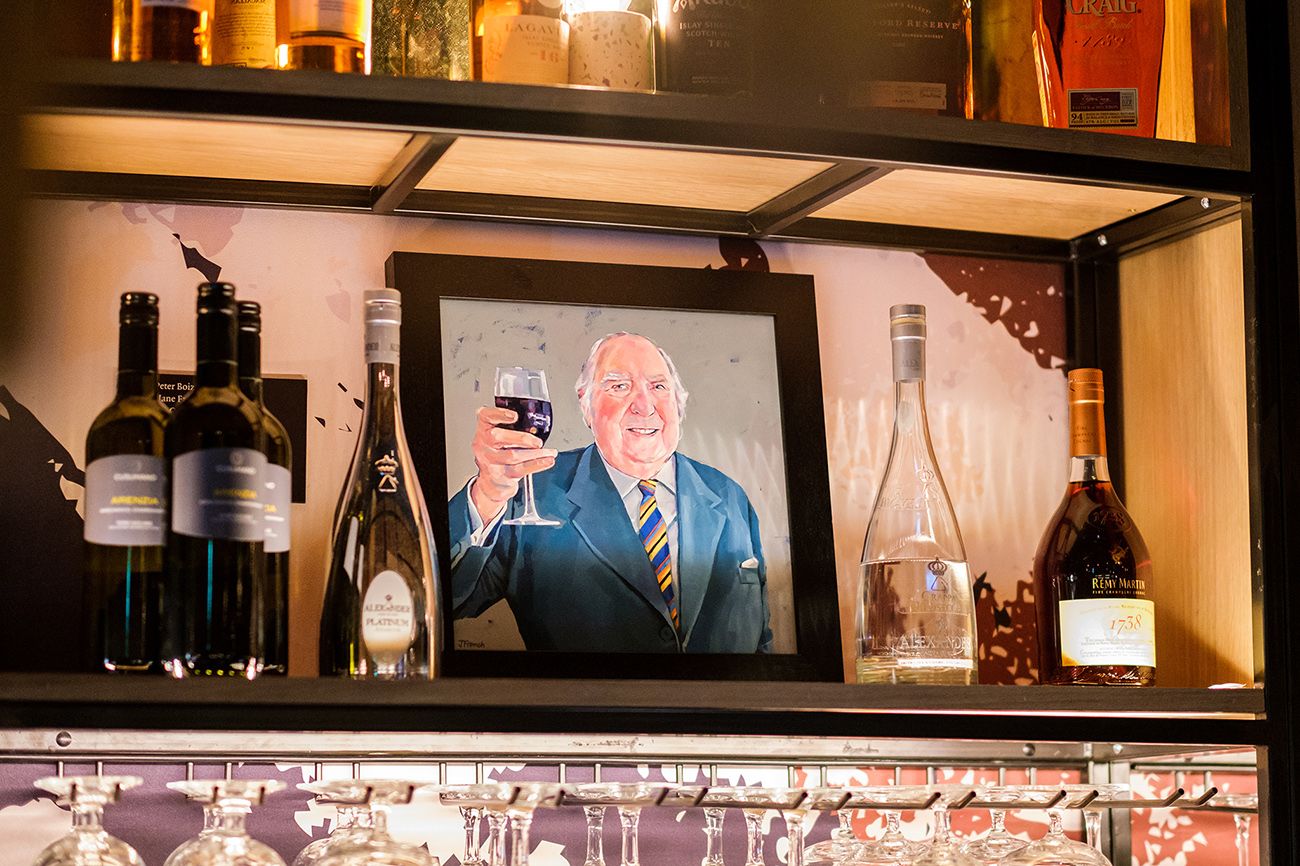
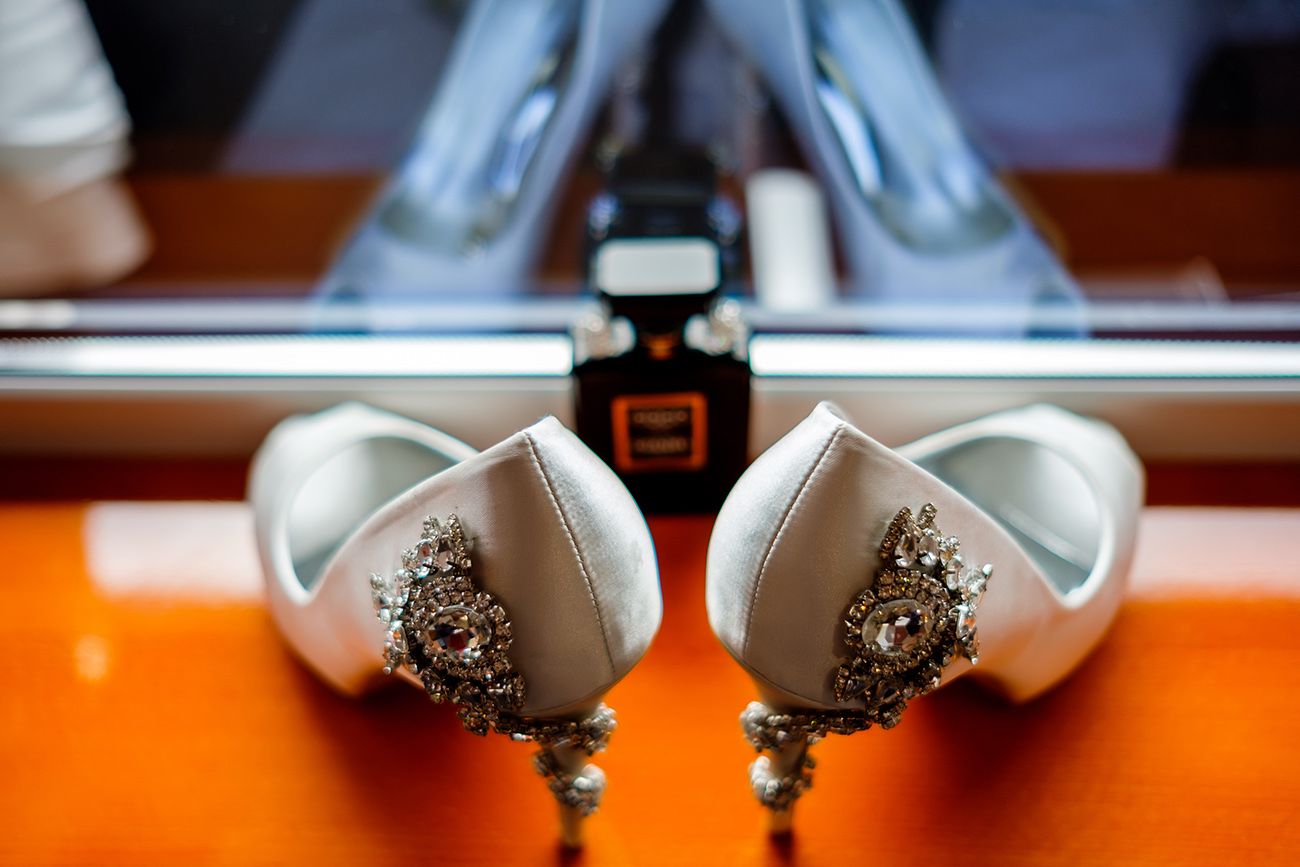
- Bokeh: A friend jokingly called me a “bokeh whore” for my love of shooting wide open and isolating subjects with creamy backgrounds—something Full Frame cameras excel at.
- High ISO: Shooting at ISO 3200+ was easy with Full Frame, and I worried crop sensors wouldn’t deliver clean results.
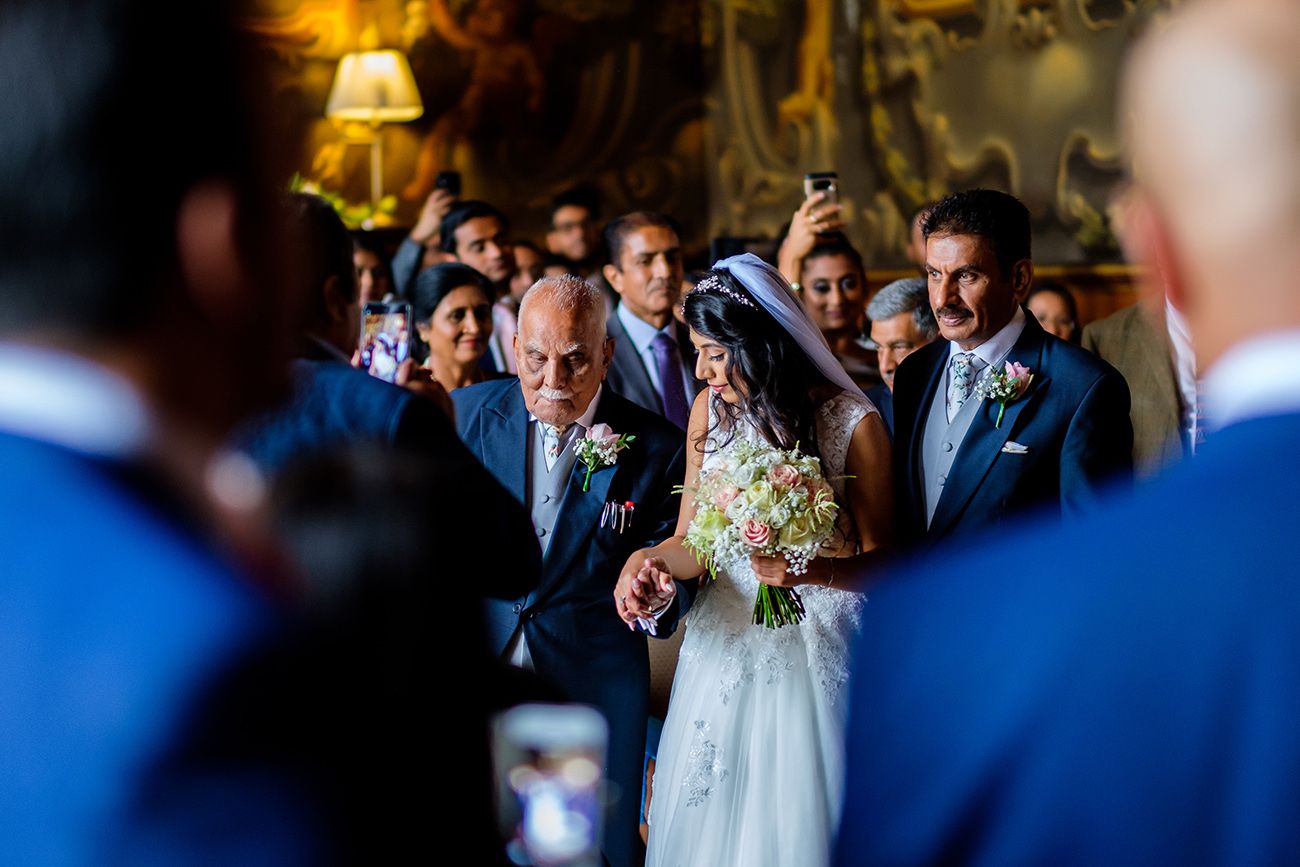
- Low-Light Focus: For documentary weddings, Nikon’s low-light focusing was a game-changer, capturing natural, atmospheric moments effortlessly..

My First Experience With FujiFilm
Initially, my plan was simple: use Fuji for video and rely on Nikon for stills, especially in low-light conditions. I started with a FujiFilm X-T2 kit (18-55mm f/2.8-4 lens).
The moment I tested it at a wedding, I was blown away by the video quality—years ahead of Nikon in that area.
Encouraged, I invested in a second X-T2 body and lenses: 16mm, 23mm, 56mm, and 50-140mm, and shot my first wedding entirely on FujiFilm.
I never felt limited, even in fast-paced, low-light reception parties, and over the following year, I sold almost all my Nikon gear—except my beloved 85mm f/1.4 AF-S, which I couldn’t part with!

FujiFilm and the Kaizen Philosophy
One of the things I admire most about Fuji is their commitment to improving cameras via firmware updates - even years after release.
- The X-Pro2 received 4K video updates two years post-release.
- The X-T2 gained 120fps Full HD.
Autofocus improvements were added to older models like the X-T1 and X-T2.
This approach shows respect for users and their investments—something many companies overlook.
Professional Support: FujiFilm vs Nikon Services
As a professional wedding photographer, having reliable gear is non-negotiable. I joined FujiFilm Professional Services UK, and whenever I needed repairs (overheating or a loose aperture ring), turnaround was incredible—sometimes even the same day.
Compare that to Nikon Professional Services, where I occasionally had to request re-dos due to unresolved issues. Fuji’s service is simply a professional’s dream.

Shooting with Fuji: The Technical Perks
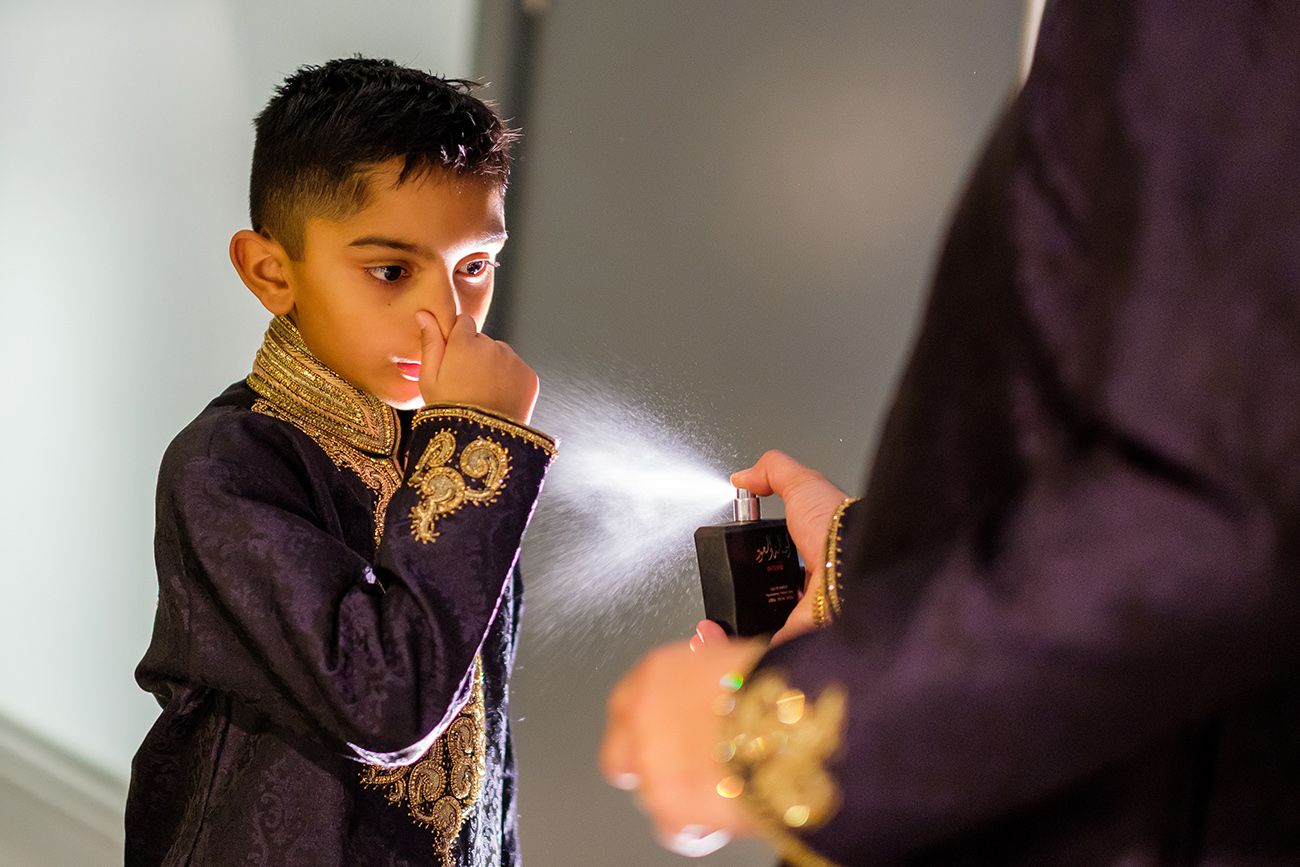
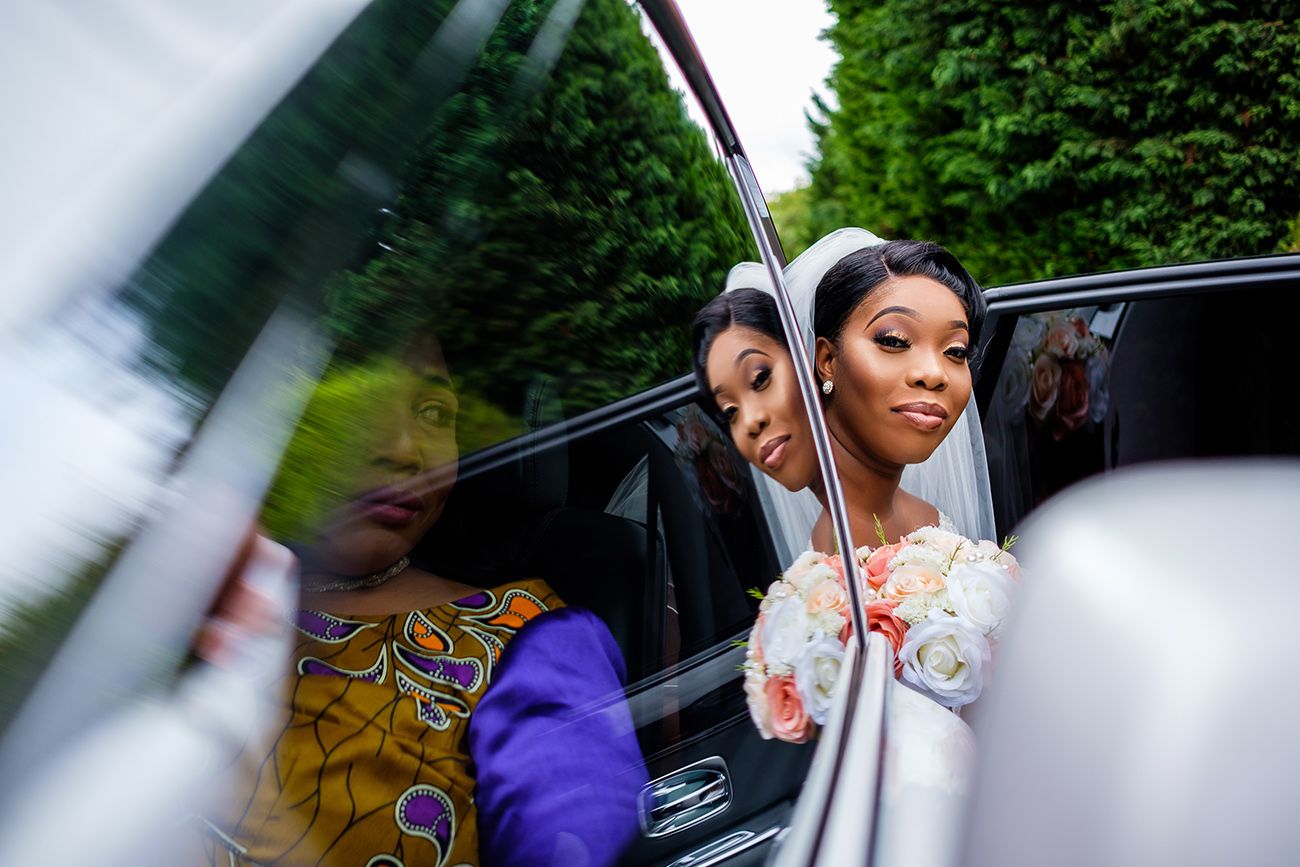
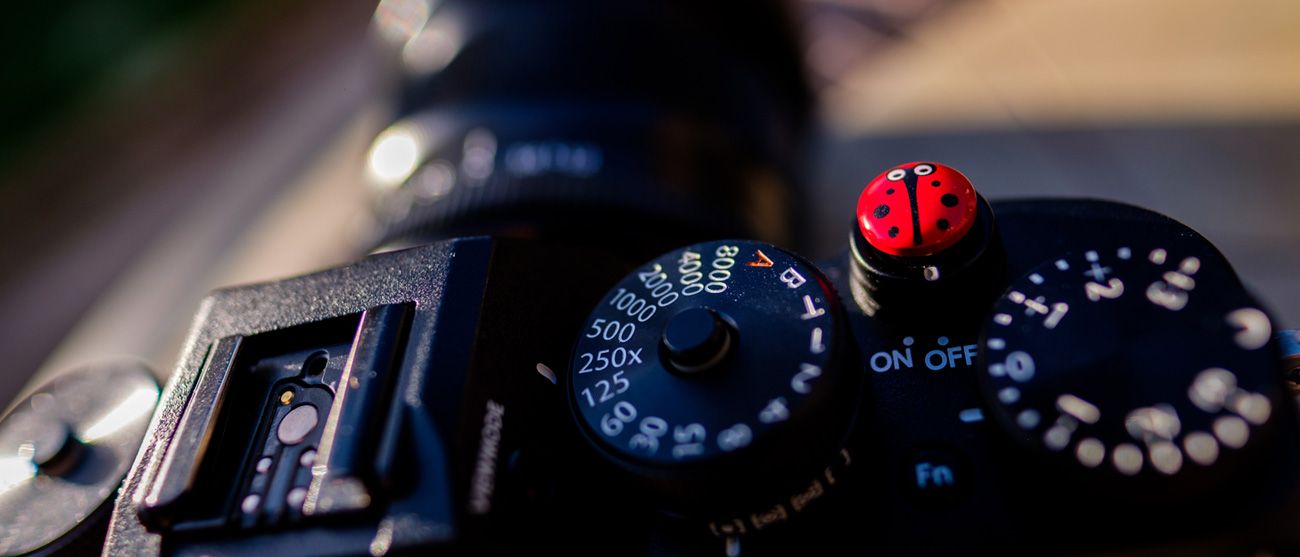
- Ergonomics: Small, lightweight, and silent—perfect for documentary-style weddings where guests often forget I’m even there.
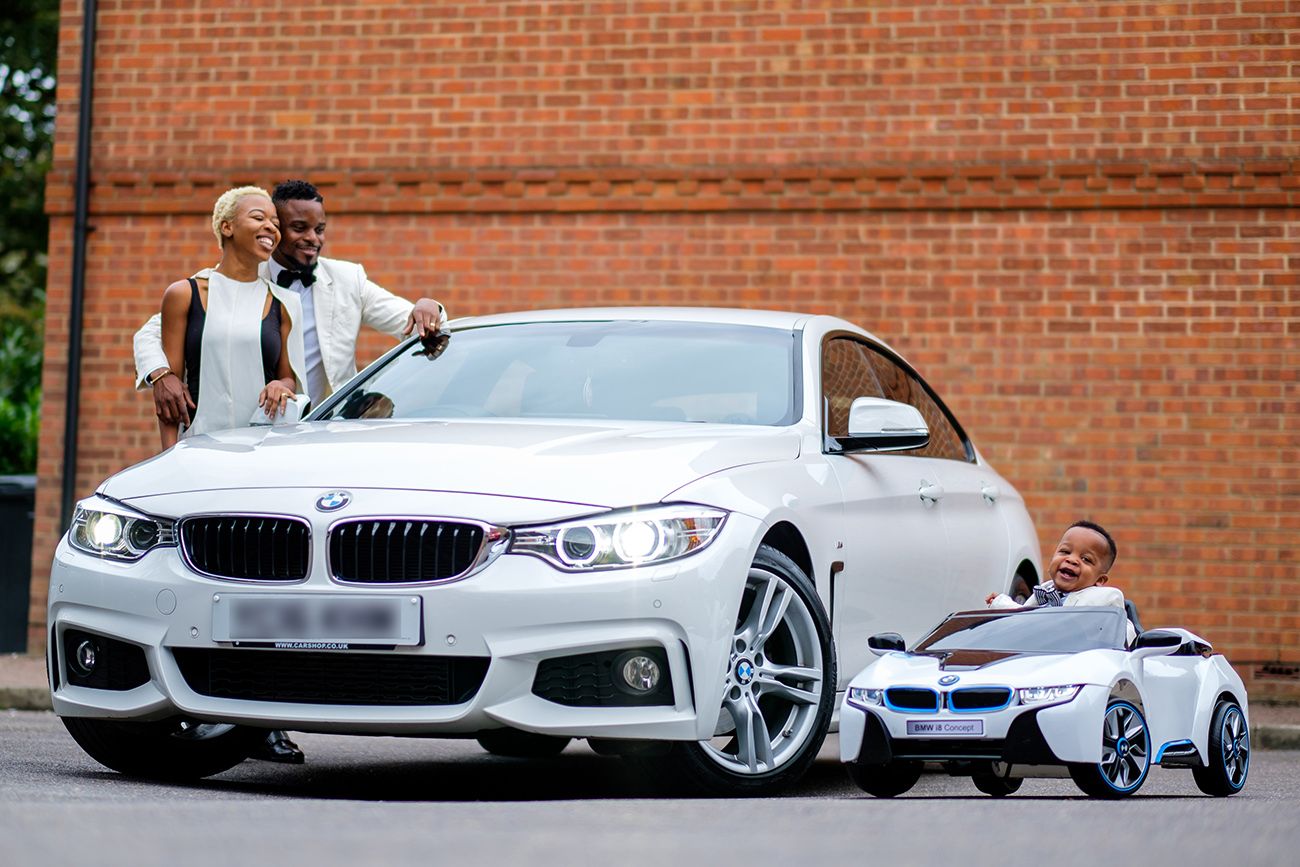
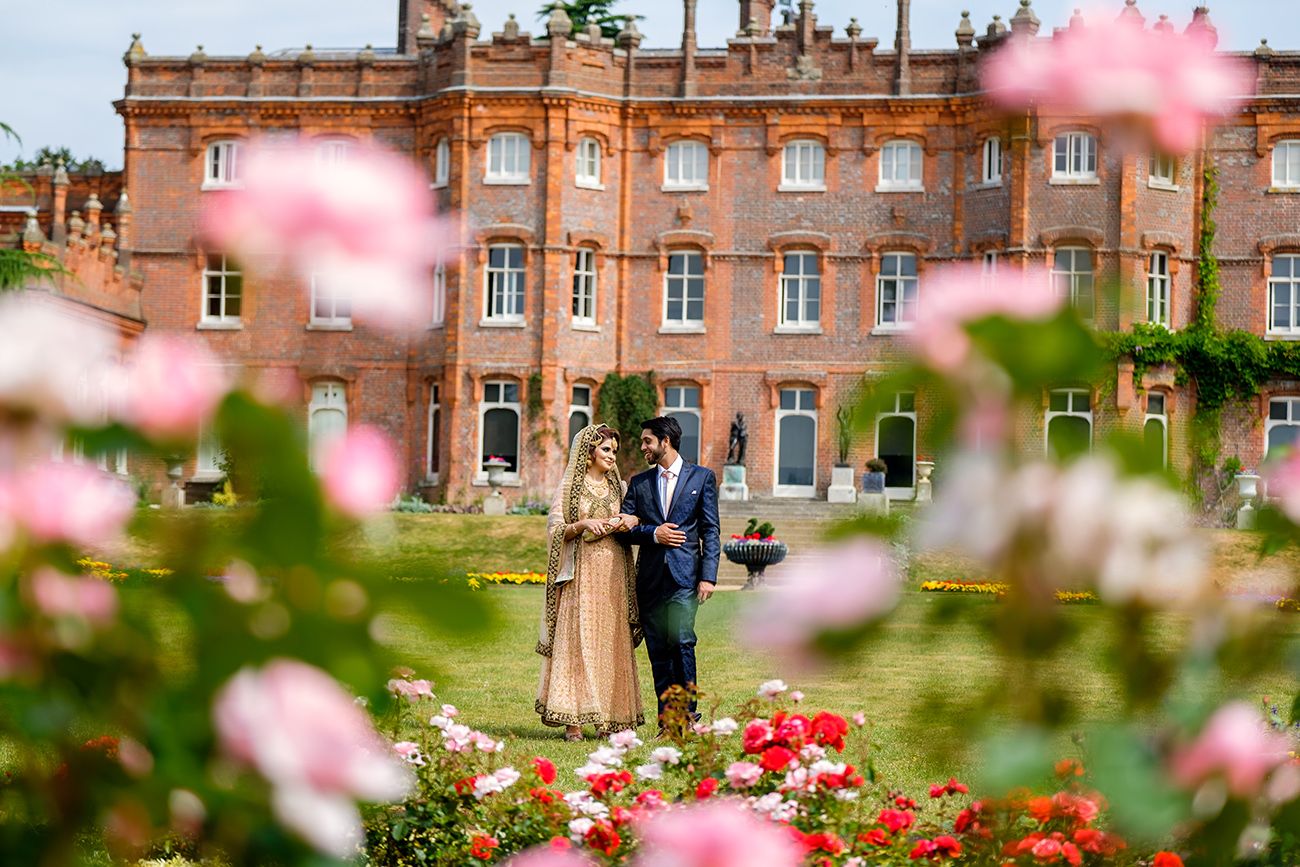
- Image Quality: Excellent skin tones, minimal color noise, and remarkable dynamic range at high ISO thanks to X-Trans sensors.
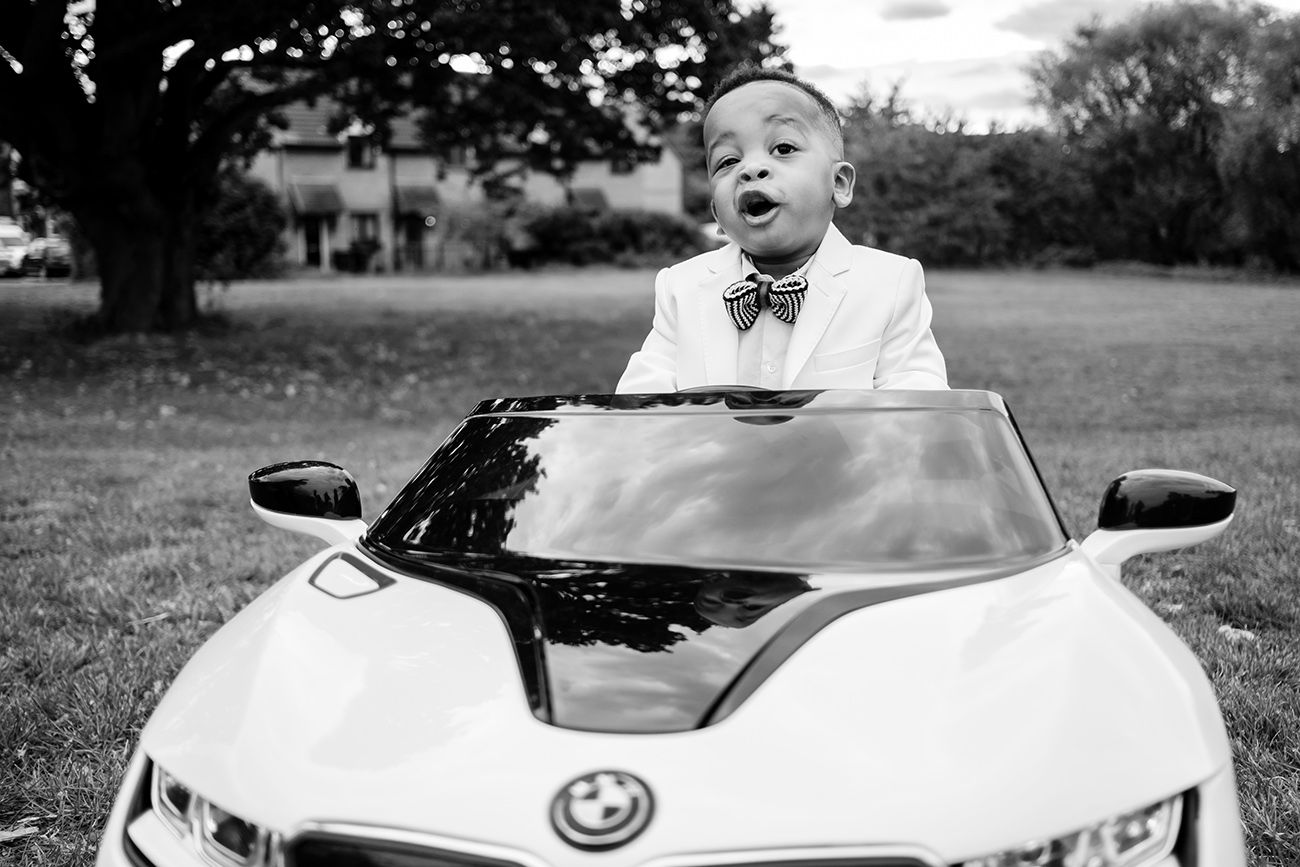
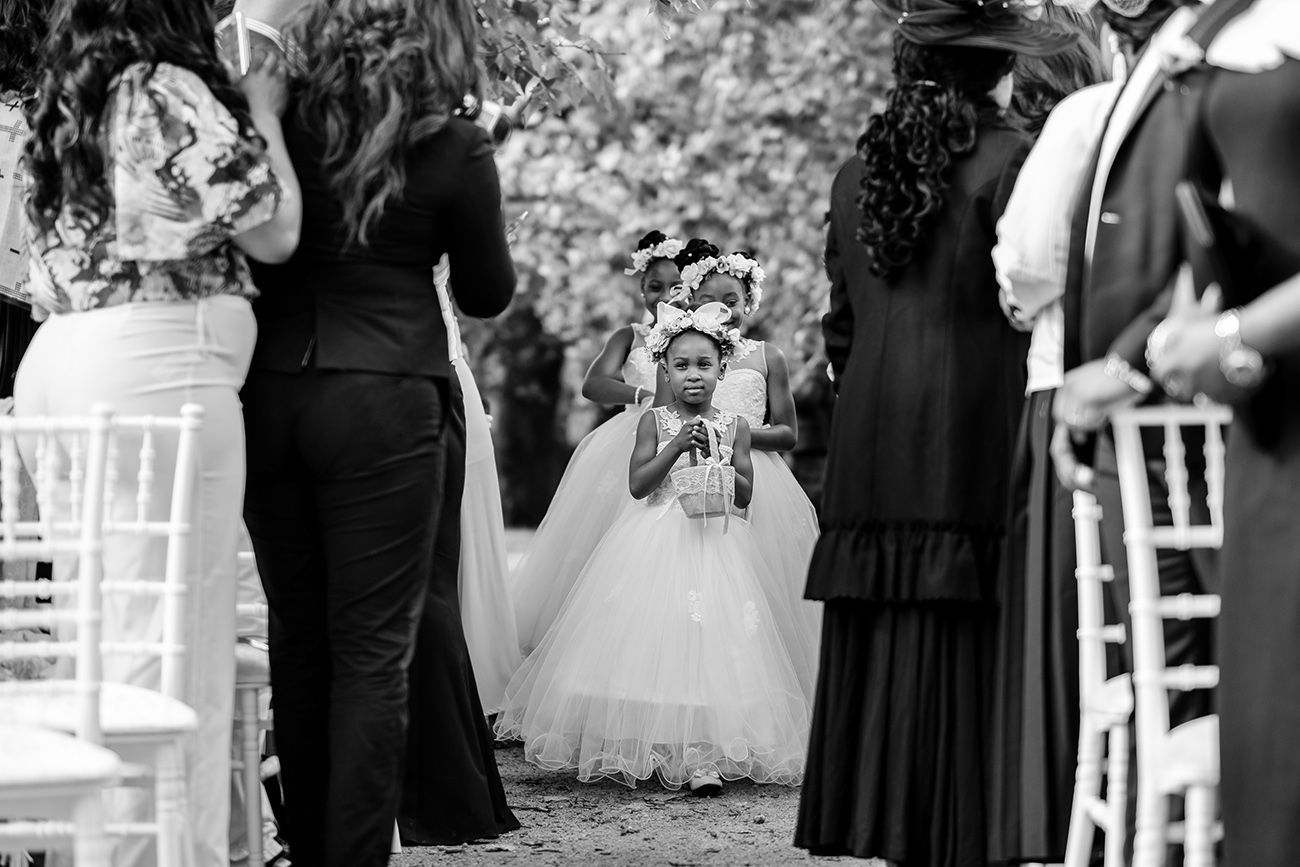
- Black & White: The Acros+R film simulation delivers stunning monochrome images without relying on plugins like Nik Silver Efex.
- Lenses: Fuji lenses are spectacular, fast, accurate, and cost-effective.
The only minor drawbacks: I occasionally miss the creamy bokeh of my Nikon 85mm f/1.4, and autofocus in AF-C mode could still improve for action shots.
Upgrading to the FujiFilm X-T3
The X-T3 was a game-changer. Improvements include:
- Faster, more accurate autofocus across the frame
- Better video functionality: separate menus, tally lights, zoom focus check
- Improved usability for videographers without losing photographic feel
Even with these upgrades, Fuji retains the same tactile feel and workflow I loved from the X-T2.

My Wish List for Firmware Updates
Some personal wishes:
- More flexible AF-C face detection
- Show battery percentage on the display
- Dual-card backup for video
- Power aperture control for drive-by-wire lenses
- Better AF-C performance for sports, pets, and moving children
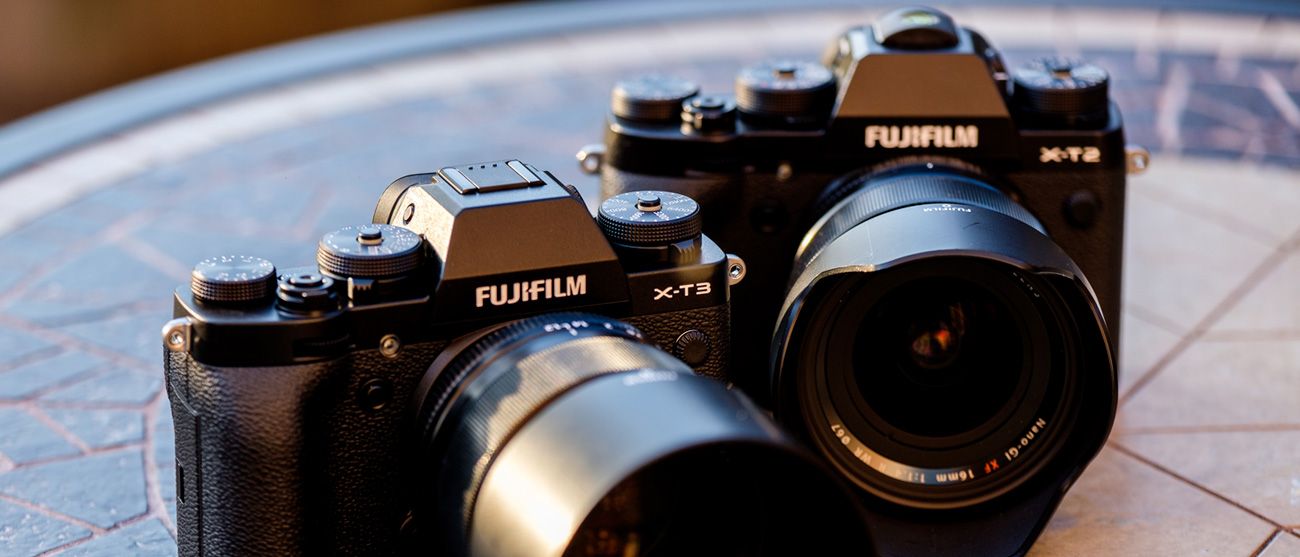
Lenses and Gear I Use
- 2x FujiFilm X-T3 bodies
- FujiFilm X-T2 body
- Fujinon XF 16mm f/1.4 R WR
- Fujinon XF 23mm f/2 R WR
- Fujinon XF 56mm f/1.2 R
- Fujinon XF 18-55mm f/2.8-4 R LM OIS
- Fujinon XF 50-140mm f/2.8 R LM OIS WR
- Samyang 12mm f/2.0
- Nikon 85mm f/1.4 AF-S
- Nikon 60mm f/2.8G AF-S Macro
- Nikon SB-700 Speedlights ×4 + radio controllers
Conclusion
Eighteen months after fully switching to FujiFilm, I have no regrets. Some argue bigger, more expensive cameras are better—but as one old friend told me:
“You’re taking the picture with your brain, not with the camera.”
FujiFilm gives me incredible versatility, lightweight handling, and amazing image quality—all while letting me focus on storytelling and capturing authentic wedding moments.